The Red Dress: Why It's the Ultimate Date-Night Power Move (and How to Wear It)
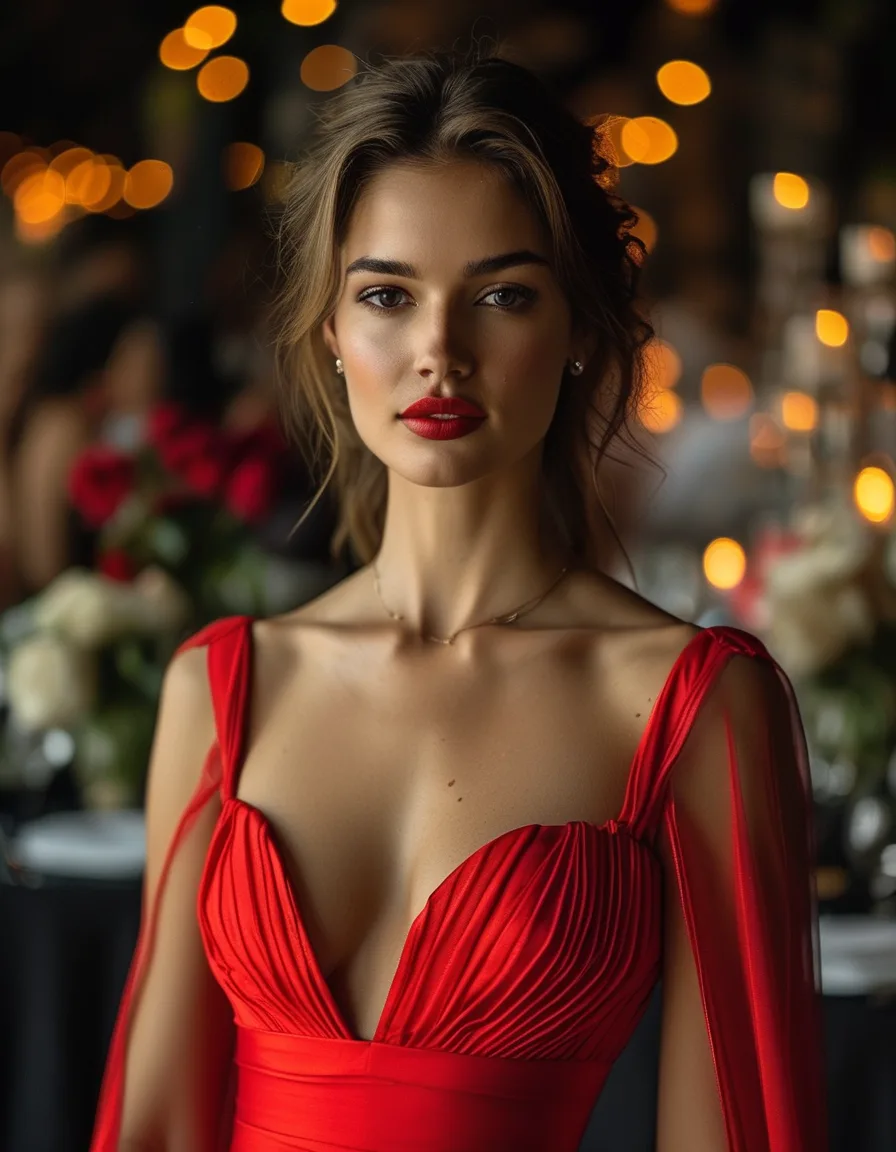
The red dress is a cliché for one simple reason: it works. Confident, powerful, impossible to ignore, it’s the ultimate date-night piece — but wearing it well is about more than just the color. The date-night edit: why the red dress works, how to wear it, and how to make it feel like you.
Why the Red Dress Works
The power of the red dress: the it’s-a-cliché-because-it-works (the red-dress working, hence the-cliché from the dress-for-date-confidence chapter — the the-works; the it-works), the confident-and-powerful (the red projecting confidence-and-power from the first-date-outfit-psychology chapter — the the-power; the confident-and-powerful), the impossible-to-ignore (the red being attention-commanding from the statement-evening-pieces chapter — the the-attention; the commands-attention), the the-psychology-of-red (the red’s psychological-impact from the first-date-outfit-psychology chapter — the the-psychology; the the-red-effect), and the reframe (the red-dress as a-confident, powerful, attention-commanding, psychologically-impactful date-night piece).

How to Wear the Red Dress
Wearing the red dress well: the the-right-red-for-you (the the-red shade suiting your-coloring from the dress-for-date-confidence chapter’s color-logic — the the-shade; the your-red), the the-flattering-silhouette (the a-silhouette that flatters-you from the date-night-outfit-by-venue chapter — the the-silhouette; the flattering-cut), the the-let-it-be-the-star (the letting the red-dress lead (minimal-else) from the statement-evening-pieces chapter — the the-focal; the let-it-star), the the-neutral-accessories (the neutral or gold accessories from the date-night-accessories chapter — the the-accessories; the neutral-accents), the the-the-right-shoes (the shoes complementing the dress from the date-night-outfit-by-venue chapter — the the-shoes; the the-shoes), the the-by-venue (the the-red-dress styled by venue from the date-night-outfit-by-venue chapter — the the-venue; the by-venue), the the-a-red-lip-or-not (the balancing a-red-lip with the dress from the date-night-accessories chapter — the the-lip; the mind-the-lip), and the the-confident-carriage (the wearing it with confident-posture from the dress-for-date-confidence chapter — the the-confidence; the carry-it).
How to Make It Feel Like You
Making the red dress your own: the the-your-silhouette (the a-red-dress in your-silhouette from the date-night-outfit-by-venue chapter — the the-silhouette; the your-cut), the the-your-shade-of-red (the your-flattering red-shade from the dress-for-date-confidence chapter — the the-shade; the your-red), the the-your-styling (the styling it your-way from the unexpected-date-night-looks chapter — the the-styling; the your-way), the the-unexpected-red (the an-unexpected red-dress take from the unexpected-date-night-looks chapter — the the-unexpected; the unexpected-red), the the-your-accessories (the accessories expressing you from the date-night-accessories chapter — the the-accessories; the your-accessories), the the-comfort-and-confidence (the a-dress you’re comfortable-and-confident in from the dress-for-date-confidence chapter — the the-comfort; the comfortable-and-confident), the the-statement-that’s-you (the a-statement that feels-like-you from the statement-evening-pieces chapter — the the-you; the feels-like-you), and the frame (the red-dress as a-your-shade-and-silhouette power-piece styled-your-way-with-confidence — the ultimate date-night move. Wear the red dress — in your flattering shade and silhouette, letting it be the star (neutral accessories, the right shoes), styled by venue and with confident carriage — and make it feel like you through your cut, your styling and your accessories: fashion’s ultimate date-night power move.
The red dress is a cliché for one simple reason: it works — confident, powerful, impossible to ignore, the ultimate date-night piece (there’s real psychology to red). Wear it well — in the red shade that suits your coloring and a flattering silhouette, letting it be the star (neutral or gold accessories, the right shoes), styled by venue, with confident carriage. Make it feel like you — your silhouette, your shade, your styling (an unexpected take), your accessories, in a dress you’re comfortable-and-confident in. Why the red dress is the ultimate date-night power move, and how to wear it.
Keep Reading
This article is for general styling and informational purposes only. Trends, sizing, availability and pricing may vary by brand and season.